
The Complete Guide to Horseback Riding in Colorado
Colorado is one of the best places in the country to get on a horse. Between the Rocky Mountains, wide-open ranchland, and a riding culture that goes back to the state’s homesteading days, there’s a ride here for every kind of traveler — from a first-timer looking for a gentle hour on the trail to an experienced rider who wants to help push cattle across a mountain valley.
This guide covers everything you need to plan a horseback riding trip in Colorado: where to go, what to wear, how the seasons and elevation affect your ride, what wildlife you might see, and how to choose between a trail ride, a private ranch experience, and a full cattle drive. If you’re planning your very first ride, we’ve also got a dedicated beginner’s guide that walks through exactly what to expect from arrival to dismount, and you can browse the full range of ranch activities to see what’s available before you book.
Best Regions for Horseback Riding in Colorado
Colorado’s size and geography mean that “horseback riding in Colorado” can look very different depending on where you go. Here are the regions that consistently offer the best riding.
The Central Rockies (Summit & Grand County)
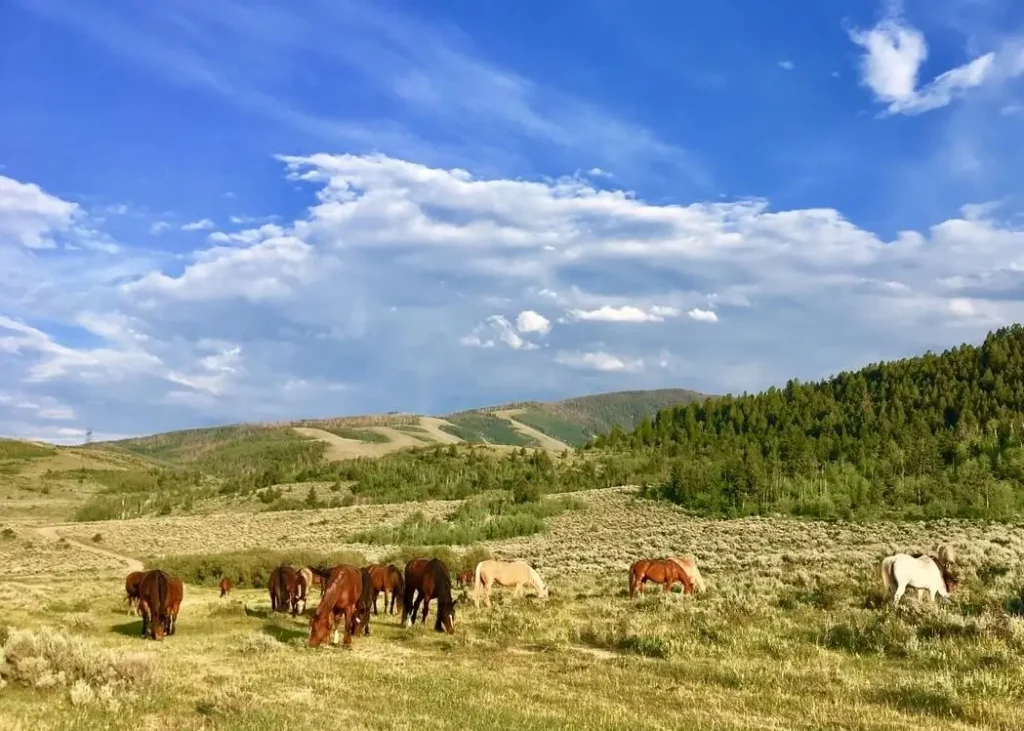
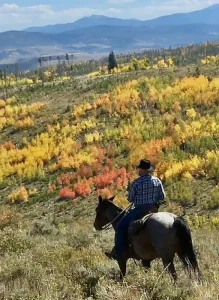
The stretch of high country around Breckenridge, Silverthorne, Frisco, Winter Park, and Kremmling is the heart of Colorado’s riding scene. This is big-sky, high-alpine terrain — think open meadows, aspen groves, and mountain backdrops that look like they belong on a postcard. Ranches here tend to operate on thousands of acres of leased or permitted land, which means rides can go off-trail instead of following a single nose-to-tail path.
Steamboat Springs & the Yampa Valley
Steamboat has a deep ranching heritage, and it shows in the riding options — from relaxed valley rides to more rugged backcountry routes. The Yampa Valley is also known for excellent wildlife viewing along the trail.
Rocky Mountain National Park & Grand Lake
For riders who want their trip anchored around a national park experience, the trails near Grand Lake and Estes Park offer access to some of the most photographed alpine scenery in the state, with permitted outfitters running guided rides into the park’s backcountry.
The Front Range (Denver & Boulder foothills)
If you’re based in Denver and don’t have time to get deep into the mountains, the foothills west of the city offer shorter rides with quick access, rolling terrain, and easy day-trip logistics.
The San Juans & Southwest Colorado
Around Durango and Ouray, the San Juan Mountains offer dramatic, rugged riding with a different character than the central Rockies — more red rock and steep switchbacks, less open meadow.
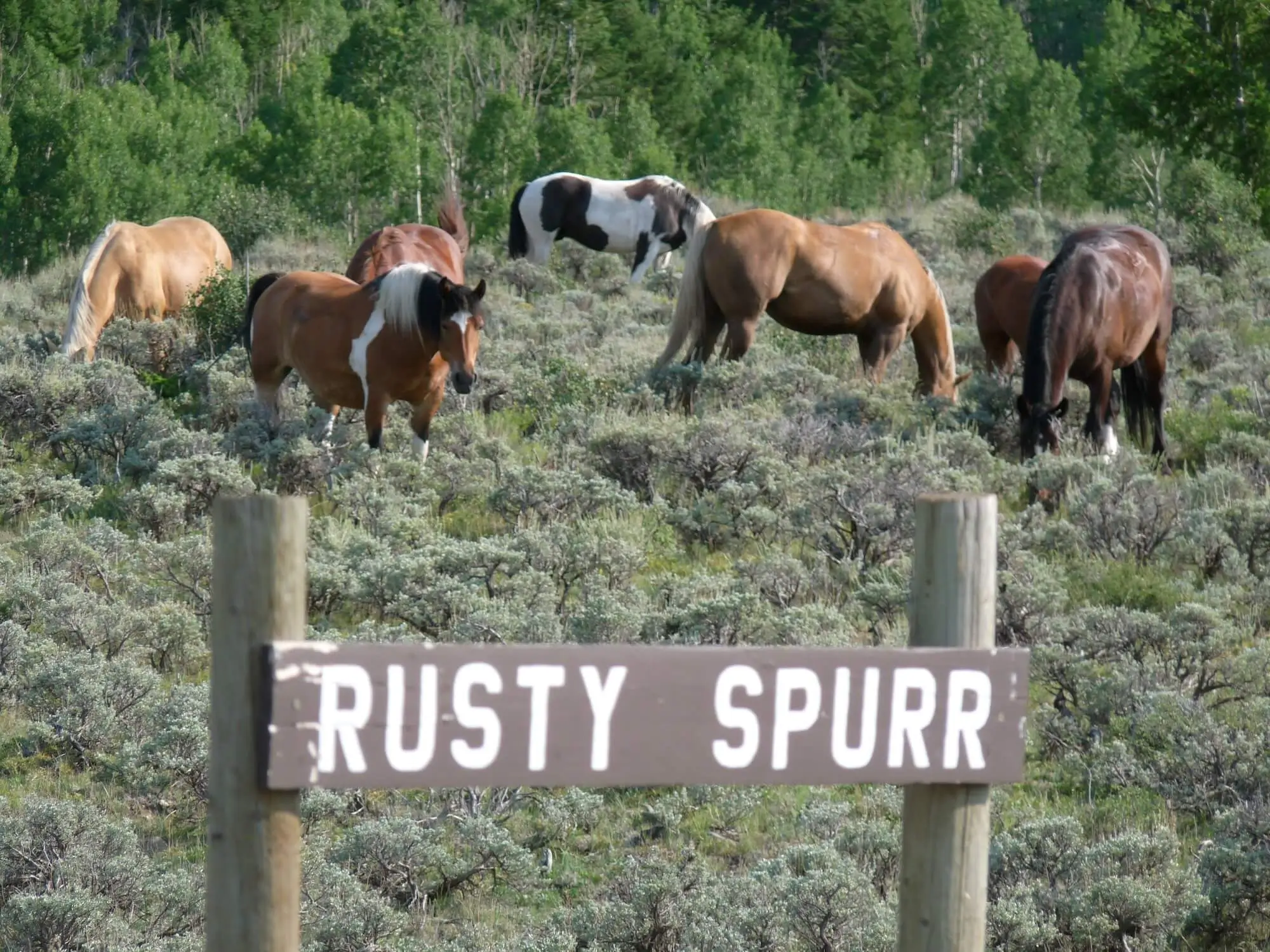
Wherever you land, the common thread is that Colorado’s ranches tend to specialize: some focus on quick, easy trail rides for tourists, while others — like Rusty Spurr Ranch outside Kremmling — offer a more authentic, off-trail Western experience across thousands of acres of permitted wilderness.
How to Choose a Region for Your Trip
If you’re not sure where to start, work backward from what you actually want out of the ride. A few questions worth asking yourself:
- Are you basing your whole trip around riding, or fitting it into a bigger vacation? If riding is the main event, the central Rockies and Steamboat area tend to offer the most variety — trail rides, private rides, and cattle drives all in one region. If it’s one activity among several (skiing, hiking, a national park visit), a Front Range or Rocky Mountain National Park–adjacent outfitter may be more convenient.
- How much driving are you willing to do? Denver-based travelers can reach foothill outfitters in well under an hour, while the best off-trail wilderness riding usually means an additional hour or two into the mountains.
- Do you want a groomed, single-file trail or true backcountry terrain? Larger ranches operating on leased public or private land — often tens of thousands of acres — are more likely to offer off-trail routes than smaller stables working a fixed, marked loop.
- Is a specific bucket-list activity driving the trip? If a cattle drive or a multi-day pack trip is the goal, that will narrow your options considerably, since not every outfitter runs working-ranch operations.
Matching the region to your priorities up front saves a lot of second-guessing once you’re comparing individual ranches.
Mountain Riding: What Makes It Different
Riding in the mountains isn’t the same as riding on a flat arena or a groomed park trail, and it’s worth understanding what makes it distinct before you book.
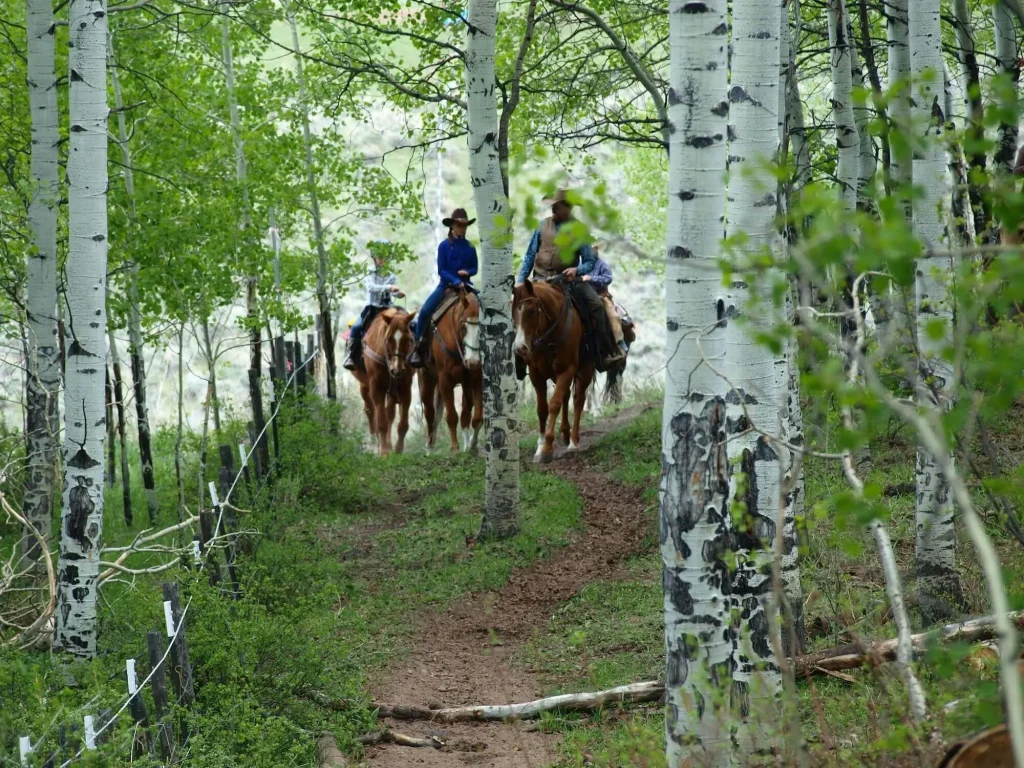
The terrain changes constantly. A single ride might take you across open meadow, through aspen stands, along a ridge line, and down into a creek bottom. Well-trained mountain horses are surefooted on rock and loose scree, but riders should expect more shifting balance than a flat trail ride.
Off-trail riding is a real option. Many Colorado outfitters, especially those on large private or leased land, don’t restrict you to a single marked path. Off-trail riding gives you more freedom to explore and a more engaging, hands-on experience than following the horse in front of you nose-to-tail.
Pace and difficulty vary by group. Good guides will adjust the pace and route based on the group’s skill level, so a mountain ride can be just as approachable for beginners as a flat one — the difference is in the scenery and the sense of exploration, not necessarily the difficulty.
Weather changes fast at altitude. A clear morning can turn into an afternoon thunderstorm in under an hour during summer. Guides plan around this, but it’s part of what makes mountain riding feel like a real adventure rather than a theme-park loop. For a full rundown of how to stay safe in changing mountain conditions, see our essential trail ride safety tips.
Horses are matched to the terrain, not just the rider. Mountain outfits generally use horses that have spent years working the specific ground they’re riding on — they know how to pick a line down a rocky slope or cross a creek without hesitating. This matters more than most first-time riders realize; a horse’s terrain experience often does more for a smooth ride than the rider’s own skill level.
Group size affects pace and flexibility. Smaller groups can move faster, take unplanned side trips to a good viewpoint, or linger at a wildlife sighting. Larger groups need to move at the pace of the least experienced rider, which is often a good thing for beginners but can feel slow for more confident riders.
Altitude gain during the ride is worth asking about. Some mountain rides stay in a single valley or meadow system, while others climb significantly in elevation over the course of a few hours. If you’re prone to altitude discomfort, ask your outfitter how much elevation the specific route gains and how quickly.
If you want a photography-focused approach to a mountain ride — including how to capture wildlife, your horse, and the landscape all in one shot — check out our guide on mastering animal photography on horseback. You can also see the range of guided horseback trail rides available if you want to compare route options directly.
Family Rides: Riding With Kids and Multiple Generations
Colorado is an excellent state for a family horseback trip, largely because so many ranches build their programs specifically around mixed skill levels and age groups.
A few things to look for when planning a family ride:
- Age and skill matching. Good outfitters match each family member to a horse suited to their experience and comfort level, and many can accommodate younger kids riding double with an adult.
- Helmet policies. Many ranches require helmets for children in a certain age range (often 8–12) regardless of prior experience — this is worth confirming when you book.
- Shorter, flexible routes. Family-friendly rides are usually paced more slowly, with more stops for photos, snacks, and a chance to catch your breath.
- Something for non-riders too. If your family has a mix of eager riders and hesitant ones, look for a ranch that also offers hiking, fishing, or other activities nearby.
Timing matters more with kids than with adult-only groups. A mid-morning ride, after the coldest part of the day has passed but before afternoon fatigue sets in, tends to work best for families. Shorter rides (an hour to ninety minutes) are usually a better starting point than a half-day outing, especially for kids riding for the first time.
Build in downtime around the ride, not just during it. Many families find that pairing a ride with a picnic, a short hike, or simply time to explore the ranch grounds afterward makes for a fuller day than the ride alone — especially if you have a mix of enthusiastic and reluctant riders.
Ask about sibling and multi-generational logistics specifically. If you’re traveling with grandparents or very young children who won’t be riding, ask whether the ranch has a place for non-riders to wait comfortably, and whether guides can split a group so more confident riders aren’t held back by first-timers (or vice versa). If anyone in the family is riding for the first time, our beginner safety tips are a good pre-trip read for the whole family.
We go into a lot more depth on this — including packing lists, timing your trip around the seasons, and how to turn the day into a lasting memory with photos and journaling — in why family horseback riding trips are the ultimate adventure.
What to Wear Horseback Riding in Colorado
Comfort and safety both come down to the right clothing. Here’s what to plan for.
Recommended:
- Long pants — jeans or athletic riding pants (avoid material that will bunch up or chafe)
- Closed-toe shoes or boots with a slight heel, which help keep your foot from sliding through the stirrup
- Layers — a mountain morning can be 20 degrees cooler than the afternoon
- A hat with a brim or a helmet if required, plus sunglasses
- Sunscreen — UV exposure is significantly higher at elevation
- Gloves, if you tend to get blisters or have sensitive hands
Avoid:
- Shorts or skirts, which offer no protection against saddle friction
- Sandals, flip-flops, or any open-toe shoe
- Loose scarves, jewelry, or anything that could catch on tack or spook a horse
- Heavy cotton as your only layer — it holds moisture and won’t keep you warm if the weather turns
A general rule for Colorado: dress for the coldest and windiest version of the day, and plan to shed layers as it warms up. Mountain weather is unpredictable enough that “it looked sunny at breakfast” isn’t a reliable forecast.
A note on footwear. Sneakers technically work for a casual walking ride, but boots with a defined heel are safer, since they reduce the chance of your foot sliding all the way through the stirrup. If you don’t own riding or work boots, a sturdy hiking boot with some heel definition is a reasonable substitute.
What to bring, beyond what you wear. A small daypack or saddle bag (if your outfitter allows one) for water, sunscreen reapplication, a phone or camera, and a light rain layer covers most of what you’ll need on a half-day ride. Leave valuables, loose jewelry, and anything you’re not comfortable losing at the trailhead or in your vehicle. For a more complete packing list — including gear for multi-day trips and colder-weather rides — see our ultimate guide to essential horseback riding gear.
Seasons: When to Ride in Colorado
Colorado offers riding nearly year-round in some regions, but the character of the ride changes dramatically by season.
Spring (May–June): Trails are green and creeks are running high with snowmelt. This is also prime wildflower season in the high country, though timing varies significantly by elevation — some areas peak in late May, others not until July. For a full breakdown of what blooms when and where, see our guide on when to see wildflowers in Colorado.
Summer (June–August): The most popular riding season, with long daylight hours and the widest range of open trails. Afternoon thunderstorms are common in the high country, so many rides start early. This is also peak season for cattle drives, since it lines up with grazing rotations.
Fall (September–October): Many riders consider this the best season in Colorado — cooler temperatures, fewer bugs, and the aspens turning gold across the mountainsides. Wildlife is also more active as animals prepare for winter.
Winter (November–April): Riding options narrow significantly at higher elevations, but lower-elevation ranches and Front Range outfitters may still offer rides in mild weather. Cold-weather riding requires different gear and shorter routes.
If your trip dates are flexible, aim for June through September for the widest range of options, or September specifically if fall color and cooler weather are a priority.
A note on booking timing. Popular ranches, especially those offering private rides or cattle drives, tend to book out weeks or even months in advance during the June–August peak. If your trip dates are fixed and fall in the middle of summer, booking early gives you far more flexibility on ride type, group size, and timing than trying to find an opening a week or two out.
Elevation: What to Know Before You Ride
Most Colorado riding takes place somewhere between 7,000 and 10,000+ feet above sea level, and elevation affects your trip in a few practical ways.
Altitude sickness is real, even on horseback. You’re not hiking, but you’re still exerting some effort and breathing thinner air. Symptoms like headache, fatigue, or shortness of breath can show up even for people who feel fine at lower elevations. If you’re arriving from near sea level, giving yourself a day to acclimate before a ride can make a real difference.
Hydration matters more than you’d think. The air at altitude is drier, and dehydration compounds altitude symptoms. Bring more water than you think you’ll need.
Sun exposure is stronger. UV intensity increases with elevation, so sunburn happens faster than you’d expect, even on a cool or overcast day.
Temperature swings are bigger. High-elevation mornings can be near freezing even in July, while midday sun can feel hot. This is part of why layering (covered above) matters so much.
Horses are conditioned for it — you don’t need to be. Ranch horses working at altitude are acclimated and fit for the terrain. You don’t need to be in great shape to ride; basic mobility and general comfort outdoors is enough for most trail rides.
Simple ways to acclimate faster. If possible, spend a night at a moderate elevation (say, 6,000–7,000 feet) before heading up to a ranch sitting at 8,000–9,000 feet or higher. Limiting alcohol the night before, eating normally, and drinking water steadily throughout the day all help your body adjust. If you have a heart or lung condition, or any history of altitude sensitivity, it’s worth a quick conversation with your doctor before booking a high-elevation trip.
Know the signs to watch for. Mild headache and tiredness are common and usually pass. Persistent vomiting, confusion, or shortness of breath at rest are signs to stop the activity and, if needed, move to a lower elevation — let your guide know immediately if you or anyone in your group feels this way.
Wildlife You Might See on a Colorado Trail Ride
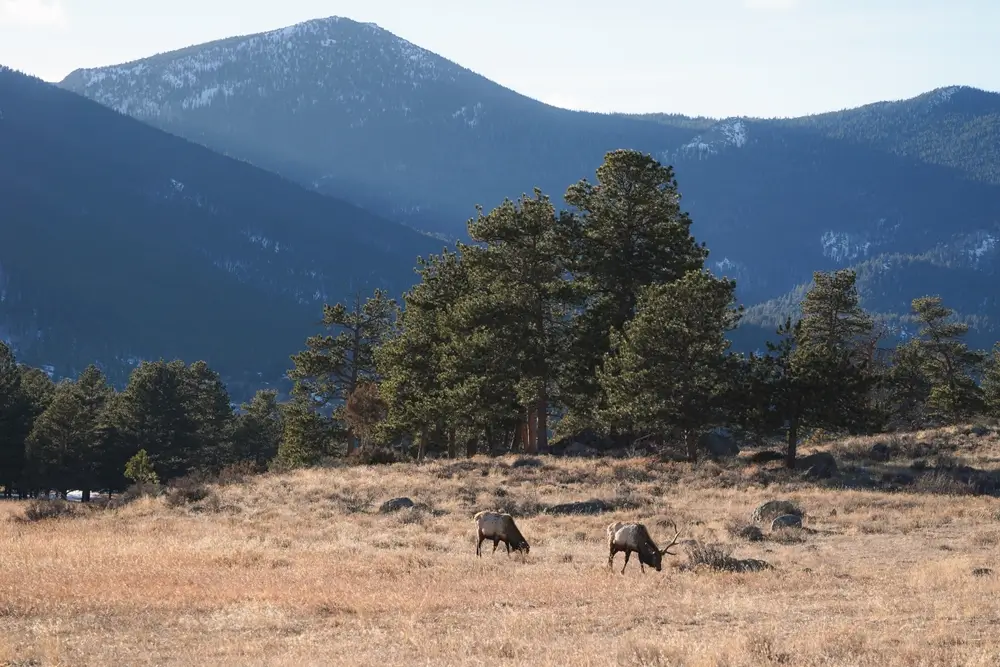
One of the biggest draws of riding through Colorado’s backcountry — versus driving it — is how much closer you get to wildlife. Horses move quietly and don’t spook animals the way engines and voices do, so sightings are common.
Depending on the region, elevation, and time of year, riders might spot:
- Mule deer and elk, especially in meadows at dawn and dusk
- Pronghorn antelope in the more open, high-desert valleys
- Golden eagles and hawks riding thermals above ridgelines
- Moose, particularly in willow-lined creek bottoms in North Central Colorado
- Coyotes and foxes, more often heard than seen
- Marmots and pikas in higher rocky terrain
- Occasionally, black bears at a distance in forested areas (guides are trained on how to handle these encounters safely)
Guides typically know the resident wildlife patterns on their land and will point things out along the way — but a slower, more attentive pace (especially at golden hour) tends to produce the best sightings. If you want to actually get a good photo of what you see, our guide to animal photography on horseback covers camera settings, timing, and how to shoot from the saddle without spooking your subject.
A few etiquette notes for wildlife encounters:
- Let your guide take the lead on distance and direction. They know how a given animal typically reacts and whether to hold still, back away, or continue on a different line.
- Keep noise to a minimum when you spot something you want to observe longer — sudden movement or loud talking is far more likely to end the sighting than staying still.
- Never dismount to approach wildlife, even for a photo. This applies especially to moose, which can be surprisingly aggressive despite their calm appearance, and to any animal with young nearby.
- Early morning and early evening rides tend to produce more sightings than midday rides, since most large mammals are most active during these cooler parts of the day.
Private Ranches: A More Personalized Experience
Beyond the standard group trail ride, many Colorado outfitters offer private rides — a smaller, more customized experience for couples, families, or small groups who want more flexibility than a scheduled group tour.
Private ranch experiences typically offer:
- A route tailored to the group — more time at scenic overlooks, a slower pace for beginners, or a faster-paced ride for experienced riders
- More one-on-one guide attention, which is especially valuable for nervous first-timers or riders with specific goals (like photography)
- Flexibility for special occasions — proposals, birthdays, and anniversaries are common reasons riders book a private experience. If you’re planning a proposal, our Colorado engagement proposal rides are built specifically around that moment.
- Access to less-traveled terrain, since private groups aren’t constrained by the logistics of a large tour
If privacy, pacing, or a special occasion matters to your trip, it’s worth asking any ranch you’re considering whether they offer private bookings and how far in advance you need to reserve one — popular ranches can book out private slots weeks ahead during peak summer season. You can view private horseback ride options directly to compare what’s included.
What private rides typically cost more for, and why it’s often worth it. Private bookings usually carry a premium over a standard group rate, since the ranch is dedicating a guide (or guides) to a smaller group rather than filling a larger tour. For occasions where pacing and privacy genuinely matter — a proposal, a milestone birthday, or a trip built specifically around wildlife photography — that trade-off is usually worthwhile. For a casual first ride with no particular agenda, a group trail ride is often the more economical and equally enjoyable choice.
Questions worth asking before booking a private ride:
- How many guides will accompany the group, and what’s the maximum group size for this option?
- Can the route be adjusted mid-ride if the group wants to linger somewhere or turn back early?
- Is there flexibility on start time, which matters if you’re planning around a sunrise or sunset ride?
- What happens if weather forces a change of plans — is there a rescheduling policy for private bookings specifically?
Cattle Drives: Riding Like a Working Cowhand
For riders who want something beyond a scenic trail ride, a cattle drive is the most authentic Western experience Colorado has to offer.
Unlike a trail ride, a cattle drive puts you to work — moving actual cattle across open range as part of a working ranch operation. What that typically involves:
- A briefing on your role. Guides will explain where you’ll be positioned relative to the herd and what basic cues to use with your horse to help move cattle without spooking them.
- A more physically active ride. Cattle drives often move at a faster and more varied pace than a leisurely trail ride, with more turning, positioning, and responsiveness required.
- Working alongside experienced wranglers. You’re not doing this alone — ranch hands lead the operation and keep both riders and cattle safe.
- A genuine sense of purpose. Rather than simply observing scenery, you’re participating in a task that’s core to how Western ranches actually operate.
Cattle drives generally require a bit more riding confidence than a beginner trail ride, though many ranches will accommodate riders of varying experience by placing them in different positions around the herd. If you’re drawn to this kind of experience, ask ahead of time what prior riding experience (if any) is required, and how physically demanding the specific drive tends to be.
Why timing matters for cattle drives. Unlike scenic trail rides, which can run on a fairly fixed schedule, cattle drives are tied to a ranch’s actual grazing rotation — cattle are typically moved to summer range in late spring and brought back down before winter. That means cattle drive experiences are usually only available during specific windows of the season, so if this is a priority for your trip, it’s worth confirming dates with the ranch well in advance rather than assuming it’s available whenever you’d like to visit.
What a typical drive day looks like. Most guest cattle drives start early, since cattle (and the crew) move best before the day heats up. Expect a longer day in the saddle than a standard trail ride — often four to six hours including breaks — with a mix of open-range riding, moments of faster movement when cattle need encouragement, and stretches of quieter, slower riding while the herd settles into a pace. A midday break for lunch, often out on the range rather than back at the barn, is common on full-day drives.
Who tends to enjoy it most. Cattle drives appeal most to riders who already have some saddle time and want an experience built around participation rather than sightseeing. That said, some ranches offer shorter or lower-intensity drive experiences specifically designed to give less experienced riders a taste of the work without the full physical demands of a traditional drive — it’s worth asking what version of the experience matches your comfort level. You can see how our own cattle drive experience is structured, including timing and what to expect on the day.
FAQs: Horseback Riding in Colorado
Do I need horseback riding experience to book a trail ride in Colorado? No. Most Colorado outfitters cater heavily to first-time riders and match you with a calm, well-trained horse suited to your experience level. Guides walk you through the basics — how to sit, hold the reins, and steer — before you head out.
What should I wear horseback riding in Colorado? Long pants, closed-toe shoes or boots, layers for changing mountain weather, and sun protection. Avoid shorts, sandals, and loose clothing or jewelry.
When is the best time of year to ride? June through September offers the widest range of trails and warmest weather, while September adds cooler temperatures and fall color. Spring brings wildflowers but muddier trails from snowmelt; winter riding is limited mostly to lower-elevation outfitters.
Is horseback riding at high elevation dangerous? It’s generally safe, but riders coming from lower elevations should stay hydrated, use sunscreen, and be aware of altitude symptoms like headache or fatigue. The horses are already conditioned to the terrain — you mainly need to manage your own hydration and pacing.
Can young kids ride? Yes, many Colorado ranches welcome young children, often with helmet requirements for a certain age range and the option to ride double with an adult. Confirm specific age policies with the ranch before booking.
What’s the difference between a trail ride and a cattle drive? A trail ride is a scenic, guided ride focused on the landscape. A cattle drive is a working experience where riders actively help move cattle across the range, usually requiring a bit more riding confidence and physical engagement.
Will I see wildlife on a ride? Very likely. Deer, elk, hawks, and occasionally moose or bear (at a distance) are commonly spotted from horseback, since horses move quietly through terrain that would otherwise be hard to access on foot.
Should I book a group ride or a private ride? Group rides are more budget-friendly and social; private rides offer more flexibility, pacing, and attention — a good choice for special occasions, photography-focused trips, or nervous first-timers who want extra guide support.
How far in advance should I book? For summer weekends, especially for private rides or cattle drives, booking several weeks to a couple of months ahead is a good idea. Weekday rides and shoulder-season trips (May, September, October) generally have more last-minute availability.
Do I need to bring my own gear? No. Ranches provide saddles, tack, and typically helmets on request. You’re generally responsible for your own clothing, footwear, water, sunscreen, and camera or phone.
Is horseback riding safe for people with no athletic background? Yes, for standard trail rides. Basic mobility — being able to get a foot in a stirrup and swing a leg over a saddle with some assistance — is typically all that’s required. Cattle drives and more advanced backcountry routes do call for a bit more physical stamina and prior riding comfort.
Whether you’re planning a relaxed family outing, a photography-focused mountain ride, or your first cattle drive, Colorado has terrain and outfitters to match nearly any goal. Start by matching the season and region to what you want out of the trip, dress for changing mountain weather, and don’t hesitate to ask your outfitter directly about pacing, group size, and experience requirements before you book.